Family Owned & Operated Serving the Trade Since 2016 Route Pickup in 3 Counties Blind Service — Your Brand Stays Front
Wholesale Rug CleaningTrade Rug Washing Plant · Fort Lauderdale, FL (954) 388‑7847

Inside the Plant · Fort Lauderdale, FL

How We Wash a Rug, Start to Finish

Five steps, done in order, on every rug that enters the plant — whether it’s a dealer’s silk piece or a property manager’s lobby runner. Here’s exactly what happens between pickup and return.

Step by step

The five steps, in order

Pre-inspection

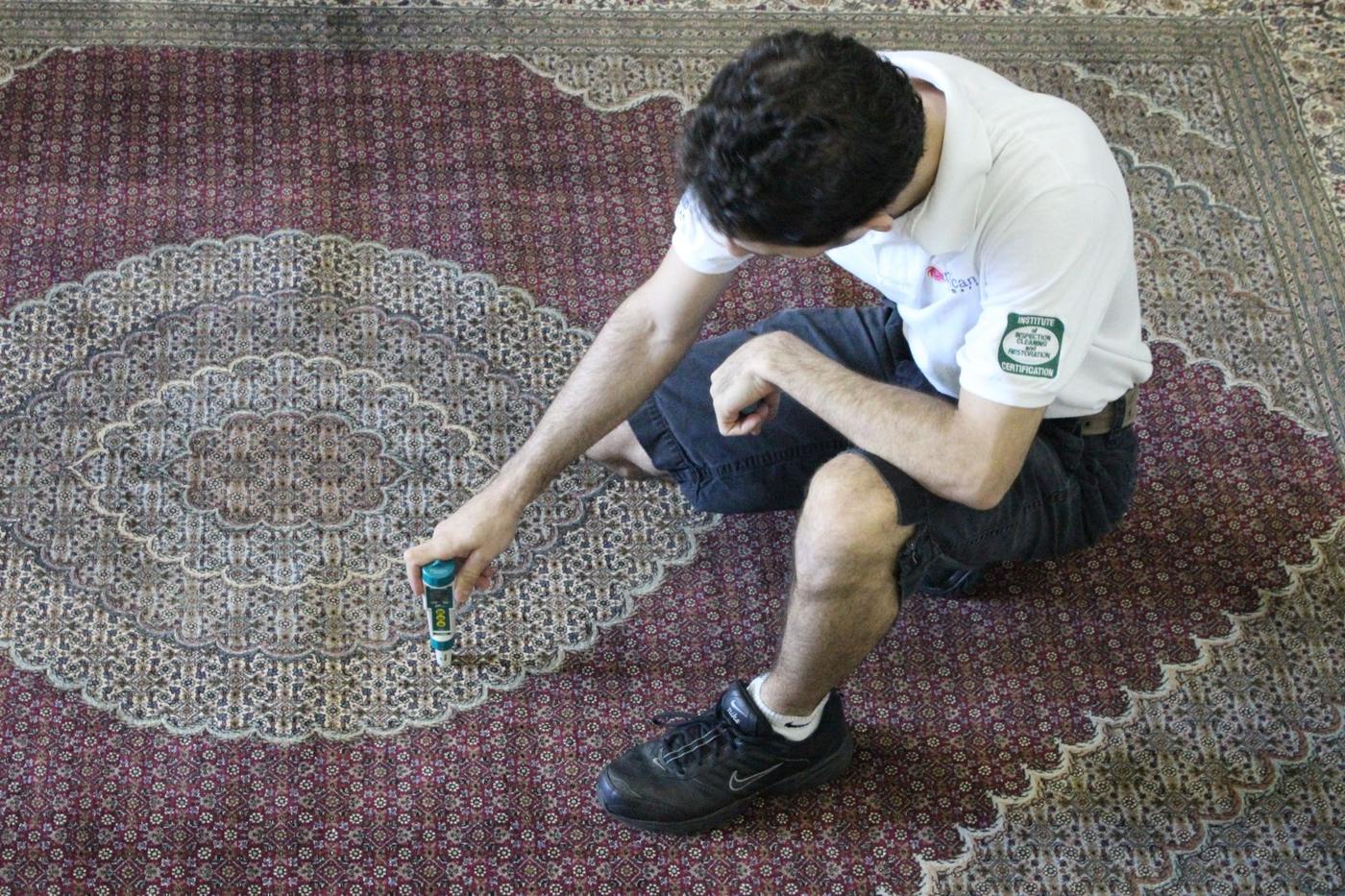
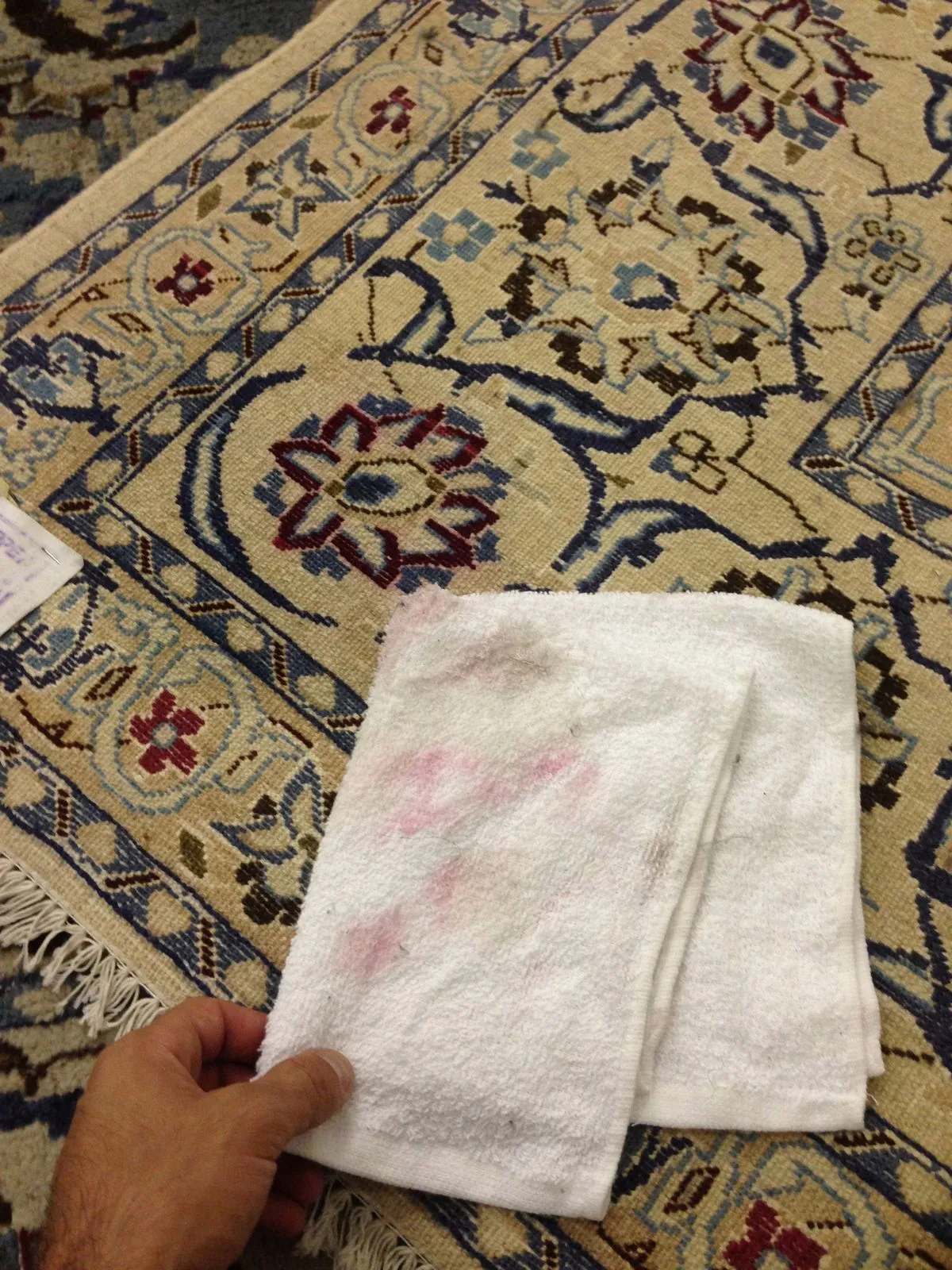
Fiber, construction, and condition are logged, and dyes are tested for stability with a meter and a towel check. Problems get flagged to your account — with a firm figure — before anything else happens.

Dusting

Dry soil is driven out of the foundation mechanically. A rug can hold pounds of grit below the pile line; wet it first and you’re washing mud deeper in.

Shampoo, both sides

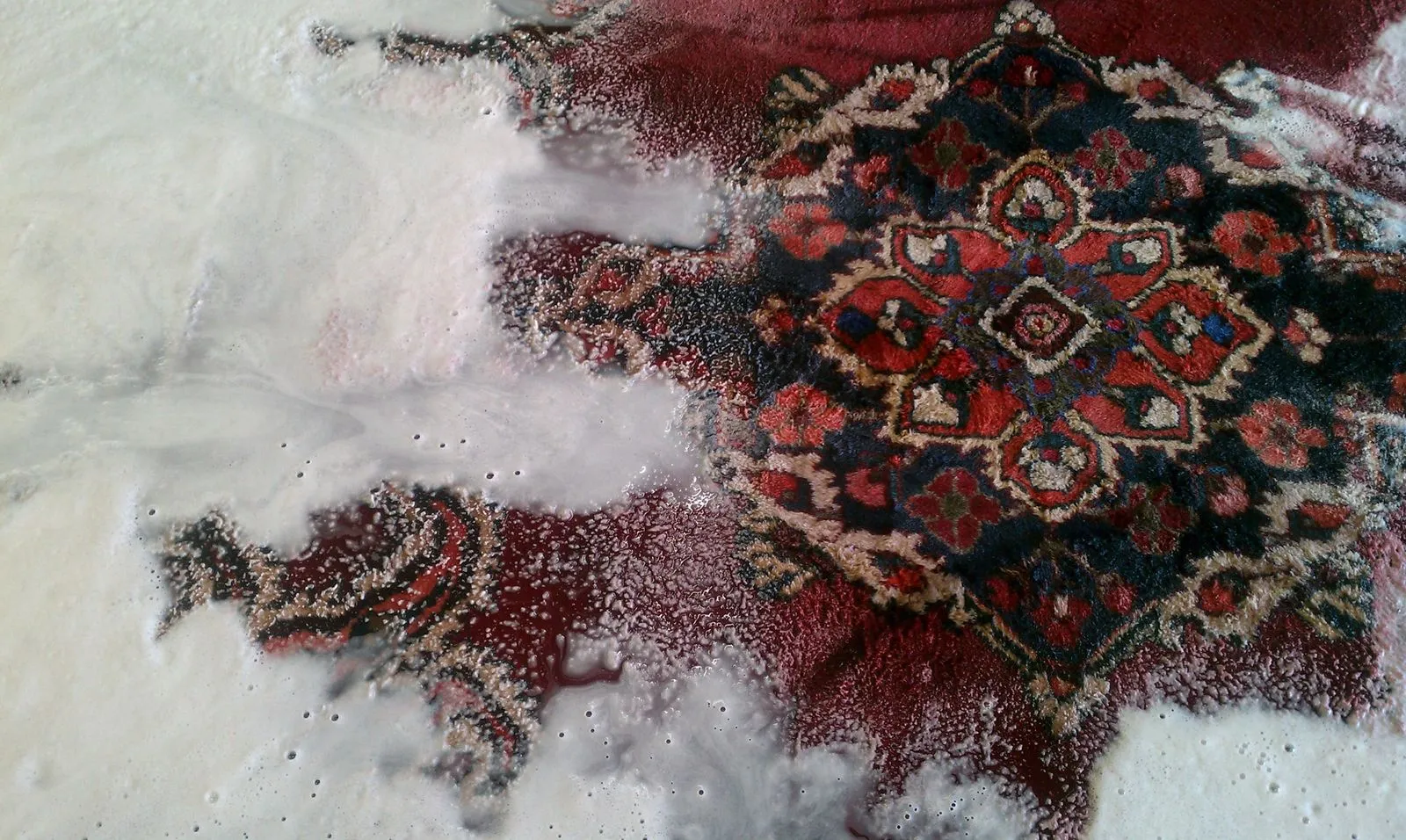
Face and back are shampooed — because soil and odor live in the backing too. Products are biodegradable, eco-safe, and hypoallergenic. No bleach, no harsh chemistry, no batch-dipping.

Rinse & spin

A thorough rinse flushes soil and residue out of the pile, then centrifugal spinning extracts the water so the rug leaves the wash floor damp, not soaked.

Quick dry & final inspection

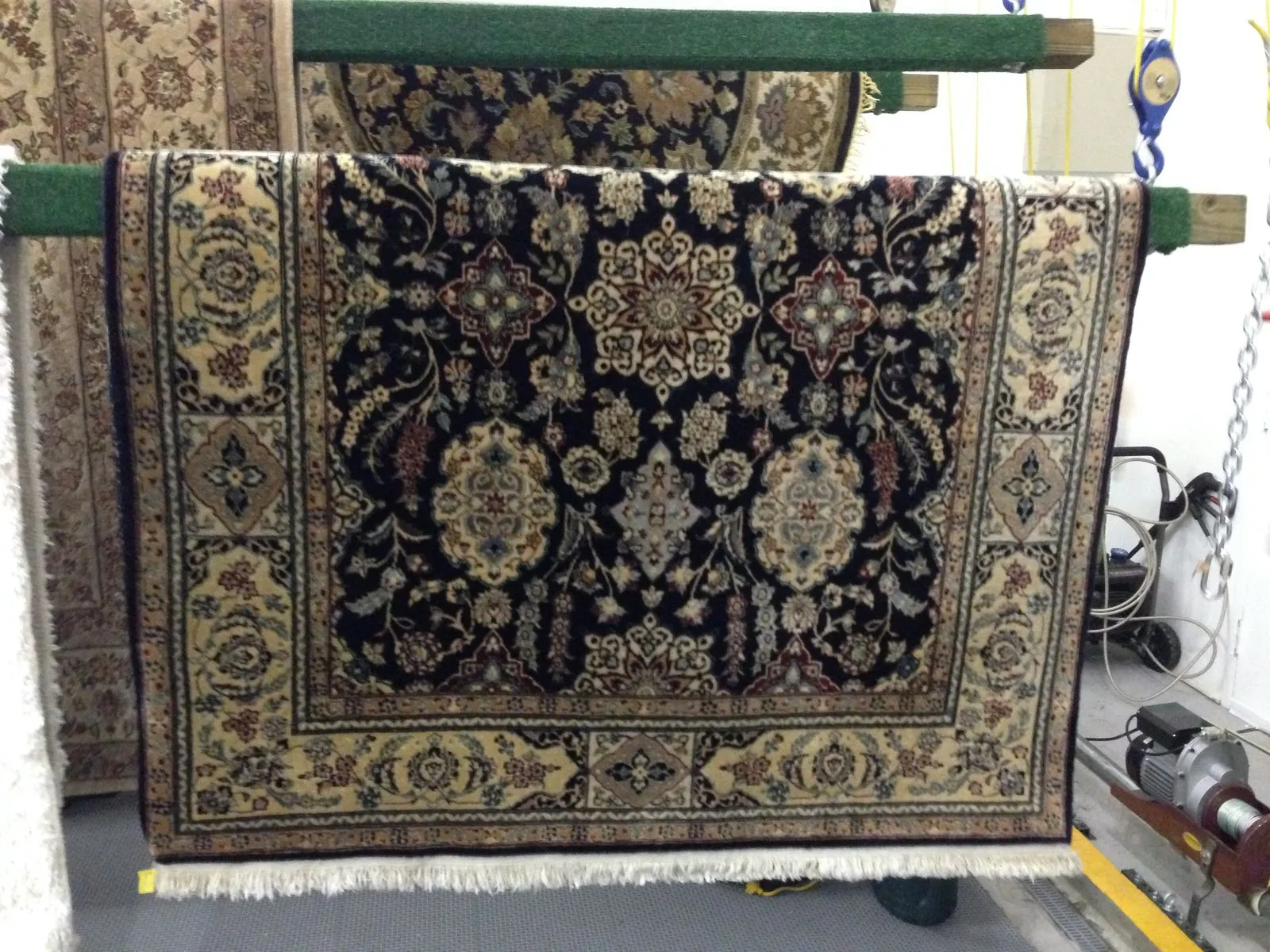
Racked in controlled airflow until the foundation is dry — the step South Florida humidity punishes if you rush it — then checked over once more and wrapped for return.
Most rugs: about 7–10 days · specialty pieces quoted at intake
Technician kneeling on a fine Persian rug, testing dye stability with a meter
Step 1 — dye-stability testing
White towel showing pink dye transfer during a color-bleed check on a Nain rug
The towel check: this rug is a bleeder
Shampoo suds worked across a red Persian rug on the wash floor
Step 3 — shampoo on the wash floor
Oriental rugs hanging on green padded drying racks inside the plant
Step 5 — the drying racks

The hard cases

What about the rugs nobody else wants?

Trade partners mostly send us the jobs they can’t — or shouldn’t — do on site. These categories get their own handling, and their own honest quote at intake:

Silk, viscose & delicate fibers

Low-moisture handling and gentle chemistry. Viscose especially is unforgiving — it gets treated like the fragile fiber it is.

Bleeders

Rugs that fail the dye test are washed cold, fast, and controlled, with dye-lock steps — not run through the standard lane and hoped for.

Mold & water damage

Flood and leak rugs are dried, treated, and evaluated honestly — including the times the honest answer is that the rug is gone.

Severe pet contamination

Urine salts sit in the foundation, not the pile. These rugs get soaking and deodorizing beyond the standard wash — scoped at evaluation, no promises we can’t keep.

Extremely soiled & oversize

Years of traffic, or a rug too big for anyone’s van — the plant floor and equipment are sized for both.

Beyond rugs

Curtains, blinds, outdoor cushions, yacht carpets, boat covers, custom mattresses, tapestry — evaluated the same way.

An honest note

When we’ll tell you not to wash a rug

Some rugs come off the truck and fail the evaluation: dry rot in the foundation, dyes that will not hold, damage that a wash would finish off.

Washing those rugs anyway would earn us a fee and cost you a client.

So we don’t. You get the finding, the reason, and the options — before any work.

Sometimes the right call is a repair first. Sometimes it’s cleaning a section to test. Sometimes it’s telling your client the honest truth that the rug’s useful life is over. You’ll have what you need to make that call credibly.

See it work

Route your next rug through the plant.

One rug is enough to see the difference in what comes back. Trade terms and pickup routes are confirmed before we collect it.

Repairs come up at evaluation too — see repairs & restoration. Every figure is confirmed before work begins.